Characteristics and Applications of Methyl Nardic Anhydride
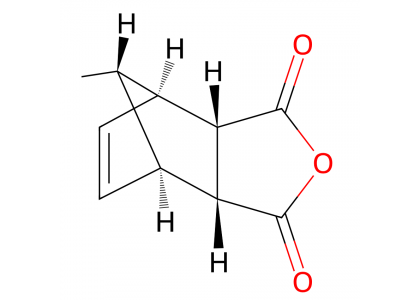
Methyl Nadic Anhydride (Lica MNA), CAS No. 25134-21-8, also known as Methyl Endomethylene Tetrahydrophthalic Anhydride or Nadic Methyl Anhydride (NMA), is a liquid cycloaliphatic anhydride curing agent primarily used for epoxy resins . It is highly regarded in industrial chemistry for its ability to produce thermosetting polymers with exceptional thermal and mechanical stability.
1. Product Features
Lica MNA stands out from other anhydride hardeners (like hexahydrophthalic anhydride or maleic anhydride) due to its unique bicyclic chemical structure. Its core features include:
- Excellent Thermal Resistance: Epoxy resins cured with Lica MNA exhibit exceptionally high glass transition temperatures (T_g). Depending on the epoxy prepolymer used (e.g., cycloaliphatic or novolac), T_g values can range from 145°C up to over 250°C .
- Low Room-Temperature Viscosity: Lica MNA is a low-viscosity liquid at room temperature. This imparts excellent flowability and processing characteristics, allowing it to easily blend with raw epoxy resins without requiring excessive solvents.
- Long Pot Life: Compared to amine-based curing agents, Lica MNA offers a significantly longer pot life (latent reactivity at room temperature), meaning the formulated resin remains usable for longer periods before curing is initiated by heat.
- Superior Mechanical Properties: Once fully heat-cured, it yields a highly cross-linked network characterized by extreme rigidity, high tensile strength, and high stiffness.
- Outstanding Electrical Insulation: It provides low dielectric permittivity and exceptional electrical loss properties, making it an excellent electrical insulator.
- Good Chemical & Moisture Resistance: It exhibits high resistance to environmental aging, solvents, and moisture, ensuring long-term durability in harsh conditions.
2. Application Fields
Lica MNA is widely utilized in high-performance engineering sectors where materials must survive mechanical stress, high voltage, or extreme heat.
- Electronics and Electrical Engineering: Used extensively for potting, encapsulation, and casting of electronic components (such as transformers, ignition coils, and high-voltage switchgears). It is also used in fabricating copper-clad laminates for printed circuit boards (PCBs).
- Aerospace and Defense: Applied as a structural matrix hardener for advanced carbon-fiber or fiberglass composite materials used in aircraft components and military hardware requiring extreme thermal endurance.
- Fiber-Winding Components: Extensively used in filament winding processes to manufacture high-pressure gas cylinders, petroleum pipelines, chemical storage tanks, and wind turbine blades.
- Industrial Coatings and Adhesives: Formulated into high-temperature heat-curable structural adhesives and anti-corrosive heavy-duty coatings for marine, automotive, and industrial steel infrastructures.
3. Target Customers
The target market for Lica MNA comprises business-to-business (B2B) industrial buyers, specifically:
- Epoxy Resin Formulators: Companies that purchase raw chemical components to manufacture specialized, ready-to-use epoxy systems, adhesives, or coatings for downstream industries.
- Composite Material Manufacturers: Enterprises utilizing filament winding, pultrusion, or prepreg processing to manufacture lightweight, high-strength structural parts for the automotive, aerospace, and marine industries.
- Electrical Equipment and Component Manufacturers: Companies producing heavy-duty electrical infrastructure, power grids, transformers, motors, and microelectronic hardware requiring reliable insulation packaging.
- PCB and Laminate Producers: Manufacturers of high-frequency and high-temperature circuit boards serving the telecommunications and computing markets.