Call us now:
86-22-8834 5196
LIFTCHEM-UV Curing Raw Materials, Pharmaceutical Intermediates
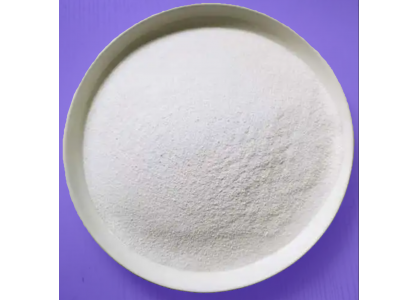
Cellulose Acetate Butyrate (Lica CAB): Innovating High-Performance Cellulose Derivatives
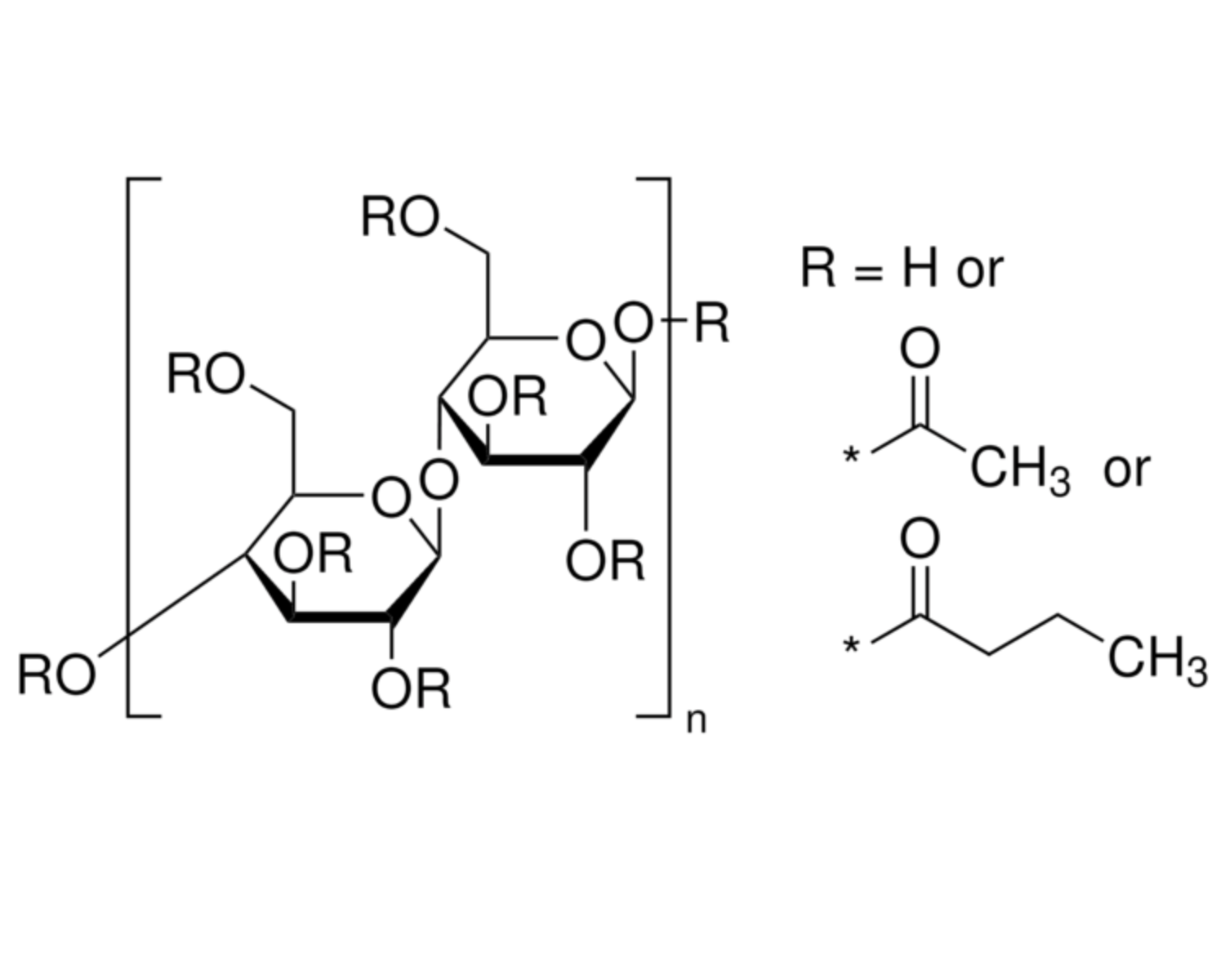
In the era of advancing green chemistry and high-performance materials, Cellulose Acetate Butyrate (CAB, Cas No.: 9004-36-8) has emerged as a cornerstone material in coatings, inks, plastics, and specialty applications. As a modified ester of natural cellulose, CAB seamlessly integrates the sustainability of bio-based feedstocks with the exceptional performance of synthetic materials.
Ⅰ. Core Performance Advantages: Multifunctional Integration
1. Solubility & Compatibility
- Broad Solvent Range: Soluble in ketones (acetone, MEK), esters (ethyl acetate), ethers, and select chlorinated hydrocarbons. Limited compatibility with alcohols (varies with butyryl content).
- Superior Compatibility: Highly compatible with resins (acrylics, polyesters, polyurethanes, nitrocellulose), plasticizers, pigments, and additives—serving as a universal bridging agent in formulations.
2. Rheological & Film-Forming Properties
- Enhanced Flow: Significantly reduces viscosity in coatings/inks, optimizing spray, curtain, and roll coating application while minimizing orange peel.
- Rapid Solvent Release: Accelerates surface drying, boosting production efficiency.
- Anti-Sag/Anti-Settling: Provides thixotropic structure to prevent sagging on vertical surfaces and pigment sedimentation.
- High Gloss/Smooth Surface: Promotes leveling for mirror-like finishes.
3. Physical & Mechanical Properties
- Exceptional Toughness: Superior flexibility and impact resistance vs. cellulose acetate.
- UV/Weather Resistance: Butyryl groups ensure outstanding UV degradation and hydrolysis resistance (e.g., >85% gloss retention in automotive clearcoats after 3-year accelerated aging).
- Low Moisture Absorption: Water uptake 90%, haze g: 80–170°C).
Ⅱ. Advanced Applications: Driving Industrial Upgrades
1. High-Performance Coatings (Primary Market)
- Automotive: Critical in OEM and refinish coatings for metallic flake orientation, flow control, and intercoat adhesion (e.g., BMW’s water-based basecoats).
- Wood Finishes: Enhances sandability in UV primers and transparency in PU topcoats.
- Industrial Coatings: Optimizes processing and weatherability in coil/plastic coatings.
- Specialty Coatings: Aircraft skins, marine antifouling systems.
2. Inks & Printing
- Flexo/Gravure Inks: Improves pigment dispersion, print sharpness, and drying (e.g., 40% faster curing in cigarette packaging varnishes).
- nkjet Inks: Weather-resistant grades for industrial coding.
3. Plastics & Composites
- Bio-Plastic Modification: Boosts PLA/PHA toughness, heat resistance, and processability (+300% impact strength with 20% CAB).
- Films: Optical brighteners, dialysis membranes, biodegradable packaging.
- 3D Printing: High-end filaments for superior layer adhesion and surface finish.
4. Specialty Sectors
- Cosmetics: Nail polish film former (high-gloss, fast-drying, chip-resistant).
- Electronics: LCD spacers, Li-ion battery binders.
- Pharma: Enteric coating for pH-dependent drug release.
- Adhesives: Heat-seal/PSA tackifier resin.
Ⅲ. Sustainability & Innovation Trends
- Bio-Based Certification: Sourced from sustainable forestry (bio-carbon content >50%, EU compliant).
- Waterborne Technology: CAB dispersions reduce VOC emissions.
- Pharma-Grade Development: High-purity grades (EP/USP-NF) for controlled drug delivery
CAB is not merely a feat of materials science but a catalyst for sustainable industry. From automotive finishes to biomedical devices, it redefines modern material possibilities through tunable chemistry and eco-efficiency. Contact us for application-specific solutions or technical information, LIFTCHEM is dedicated to serving you.