
Call us now:
86-22-8834 5196
LIFTCHEM-UV Curing Raw Materials, Pharmaceutical Intermediates
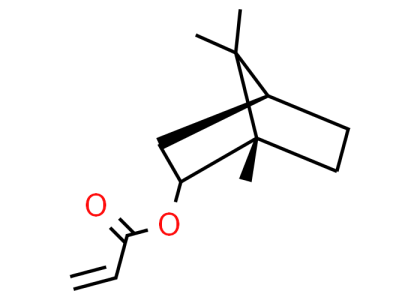
In the evolving landscape of sustainable chemistry, Isobornyl Acrylate, commonly known as IBOA (CAS 5888-33-6), is gaining significant traction. This unique acrylic monomer, characterized by its bridged-ring structure, stands out not only for its exceptional performance properties but also for its promising status as a bio-based product, offering a greener alternative in various industrial applications.
The Bio-Based Advantage of IBOA
One of the most compelling aspects of IBOA is its potential to be sourced from renewable resources. While traditional IBOA synthesis often involves petrochemical derivatives, research and industrial efforts are increasingly focused on producing IBOA from bio-based feedstocks. Specifically, IBOA can be derived from the esterification of isobornyl alcohol and acrylic acid. Isobornyl alcohol itself can be obtained from natural terpenes, which are organic compounds found in plants, particularly in essential oils. This connection to natural, renewable sources positions IBOA as a key player in the shift towards more sustainable chemical manufacturing.
For instance, one promising route involves the use of camphene, a bicyclic monoterpene derived from alpha-pinene (found in pine trees), as a precursor. This bio-renewable carbon ratio (BRC%) for IBOA can be significant, with some sources indicating it can reach around 76%, highlighting its strong environmental credentials. This bio-based origin contributes to reducing reliance on fossil fuels and lowering the carbon footprint of end products.
Versatile Applications Across Industries
IBOA's distinctive chemical structure grants it a remarkable combination of properties that make it highly desirable across a multitude of applications. These properties include:
These attributes make IBOA a valuable component in numerous sectors:
The industry is also witnessing a growing emphasis on sustainable manufacturing practices and the development of specialized grades tailored for specific applications. This trend, coupled with the inherent advantages of bio-based materials, positions IBOA for continued relevance and growth in the pursuit of more environmentally friendly and high-performance solutions.
In conclusion, IBOA (CAS 5888-33-6) represents a compelling example of how bio-based chemistry can deliver both exceptional performance and environmental responsibility. Its versatility and increasing adoption across a wide range of industries underscore its importance as a key ingredient in the development of the next generation of sustainable materials.
LiftChem has a production capacity of 1500Mt/Year for Limo IBOA with the cooperative factory. We are willing to offer our support on your path towards sustainable development.